Booking choice: The amphibious bus tour, ★ 4.7 (4,380). Check dates Compare the options below
Gothenburg is Sweden's second city and a working port, but it does not feel big. The old centre sits inside a ring of 17th-century canals, the cafés of Haga are a short walk from the river, and the sea begins where the tram line ends. That last point makes a single day here special: you can have breakfast in the city and sit on warm granite rocks on an island by mid-afternoon.
This guide gives you a realistic one-day plan with times, the sights most worth your hours, half-day options and where to stay. For the island part, the archipelago ferry guide covers every boat, and the best southern islands helps you choose one.
The quick answer
Morning: Haga and Skansen Kronan. Lunch: Feskekôrka, the fish market hall shaped like a church, open since 1874. Afternoon: tram 11 to Saltholmen (about 35 minutes) and a Västtrafik boat to Styrsö, Asperö or Brännö, or the 2.5-hour archipelago cruise from Lilla Bommen, which does not land. Evening: Liseberg in season, Avenyn or an evening sail. Half a day: the amphibious bus (1 hour), Paddan (50 minutes, a city canal tour) or the city kayak tour (2 hours, ages 14 and up). Tickets: one Västtrafik Zone A ticket covers trams, buses and the island boats; use the To Go app or a contactless bank card. Where to stay: Avenyn or Haga for the sights, Eriksberg or Lindholmen by the water, Långedrag for the ferries, or a night on Styrsö or Vrångö. Safety: watch for pickpockets in crowds; the emergency number is 112. Cancellation: full refund if you cancel up to 24 hours ahead on every tour listed here.
What can you do in Gothenburg in one day?
Walk Haga and climb to Skansen Kronan in the morning, eat seafood at Feskekôrka, spend the afternoon on an island in the southern archipelago, and end at Liseberg or on Avenyn. The table gives a plan you can adjust.
The plan works because the sights are close together and the trams are frequent. Haga is one of the oldest districts, with cobbled streets, cafés and small shops; the giant cinnamon bun at Café Husaren on Haga Nygata is a fika classic. Above Haga stands Skansen Kronan, a 17th-century hilltop fortress with views over the rooftops. Feskekôrka, the fish market hall shaped like a Gothic church, is a short walk away by the canal. After lunch, take tram 11 west to Saltholmen and the boat to an island. Back in the city by early evening, you still have time for Liseberg when it is open, or dinner near Avenyn.
| Time | Where | Why |
|---|---|---|
| 9:00 to 11:00 | Haga and Skansen Kronan | Cobbled streets, fika and a city view from the 17th-century fortress |
| 11:30 to 12:30 | Feskekôrka | Fish and shellfish in the church-shaped market hall from 1874 |
| 13:00 to 13:40 | Tram 11 to Saltholmen | About 35 minutes to the ferry quay, on one Västtrafik ticket |
| 14:00 to 17:30 | An island: Styrsö, Asperö or Brännö | Quiet lanes without cars, granite rocks, a swim in summer and a harbour café |
| 17:30 to 18:30 | Back to the city | The boat to Saltholmen, then tram 11 or bus 114 |
| 19:00 onwards | Liseberg, Avenyn or the river | The amusement park in season, dinner or an evening walk by the water |
What is a must-see in Gothenburg?
Haga, Skansen Kronan, Feskekôrka, Liseberg and the archipelago top most lists, including the city tourist board's own must-dos. Add Universeum on a rainy day and a fika wherever you are.
- Haga: one of the oldest districts, with cobbles, cafés and small shops.
- Skansen Kronan: the hilltop fortress above Haga, for the view.
- Feskekôrka: the fish hall by the canal, designed by Victor von Gegerfelt and opened on 1 November 1874.
- Liseberg: opened in 1923 and today Scandinavia's largest amusement park; check the season before you go.
- Universeum: Sweden's national science centre, with a rainforest, an aquarium hall with sharks and the Wisdome dome.
- Art and parks: the Museum of Art, Trädgårdsföreningen, the Botanical Garden and Slottsskogen.
- Craft beer: the city has over 40 breweries.
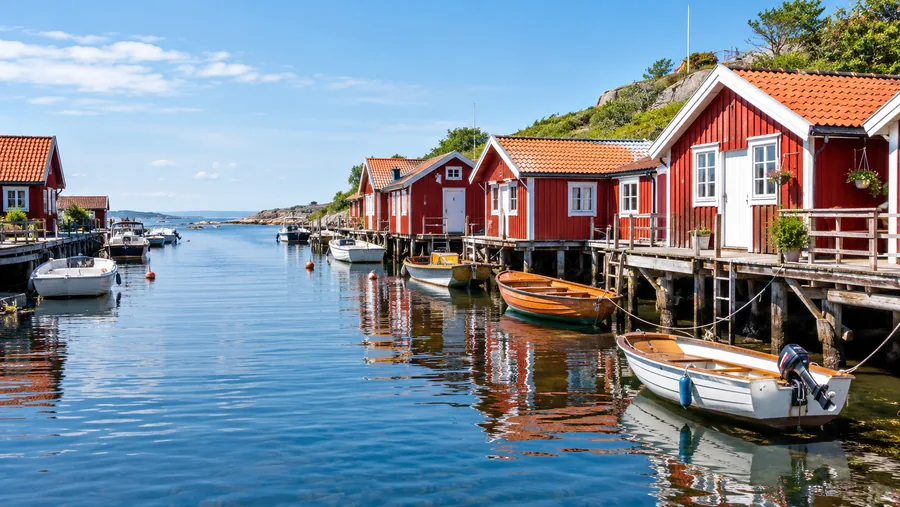
- The archipelago: islands without cars, fishing villages and swimming, all on public transport.
Can you fit the archipelago into one day in Gothenburg?
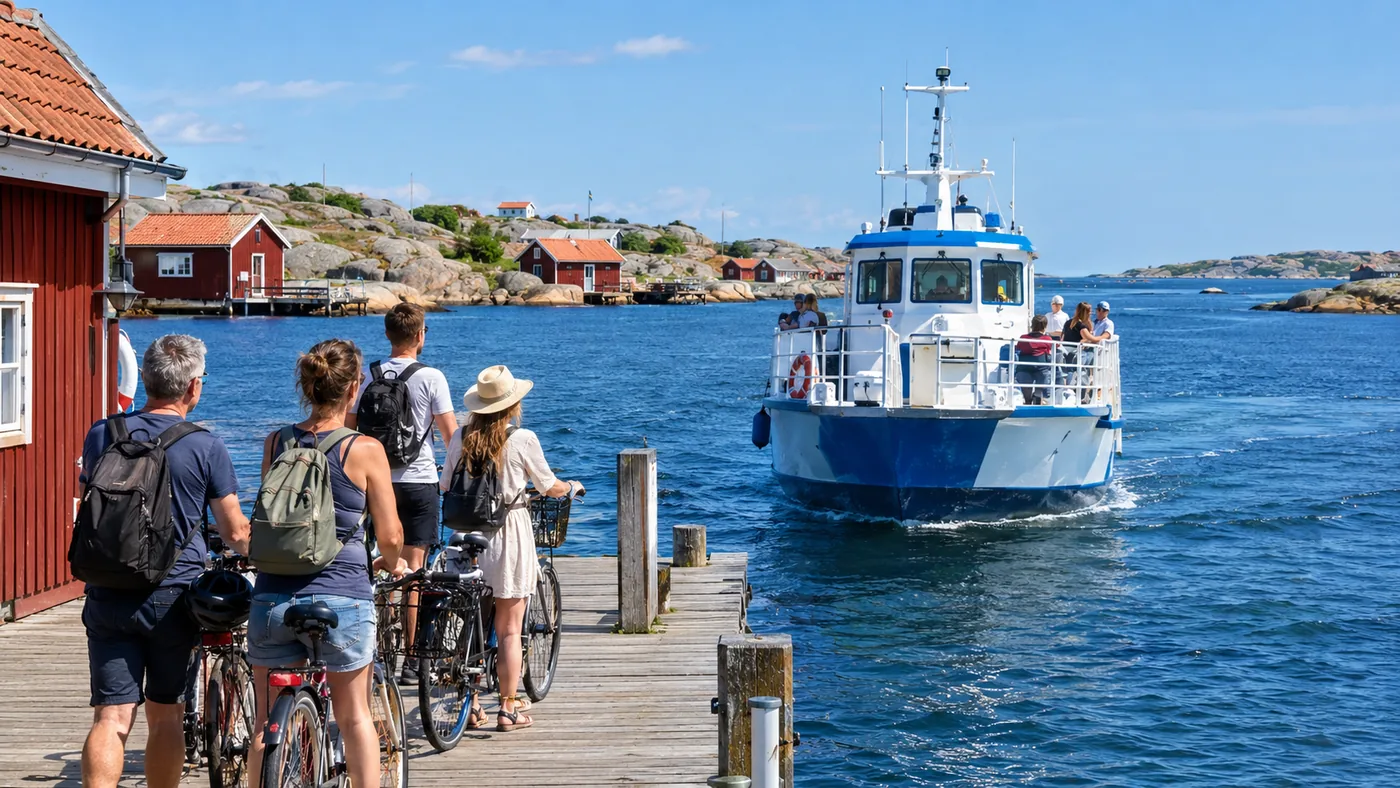
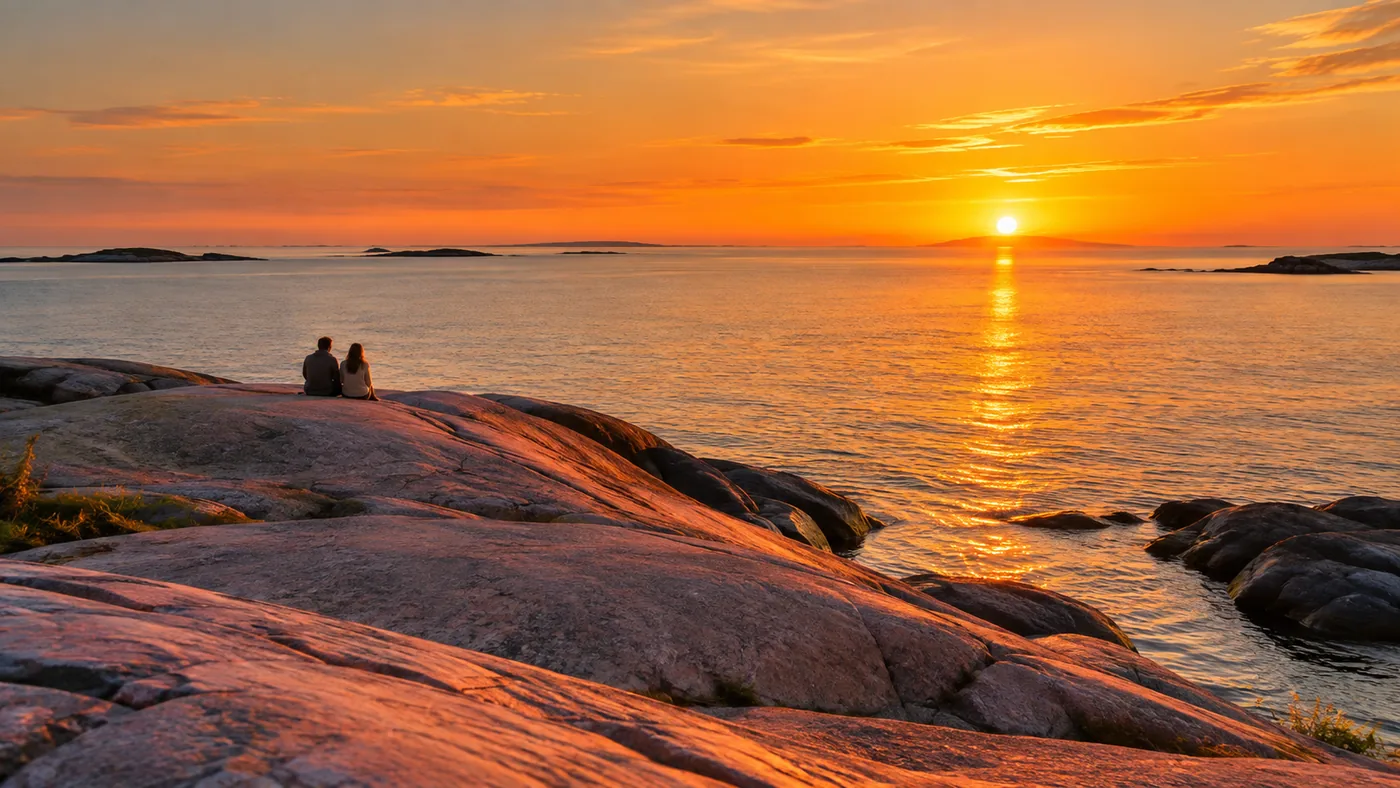
Yes. The southern islands are part of the city's public transport: tram 11 to Saltholmen takes about 35 minutes, and the boats on to the islands run all year. Half a day is enough for one island.
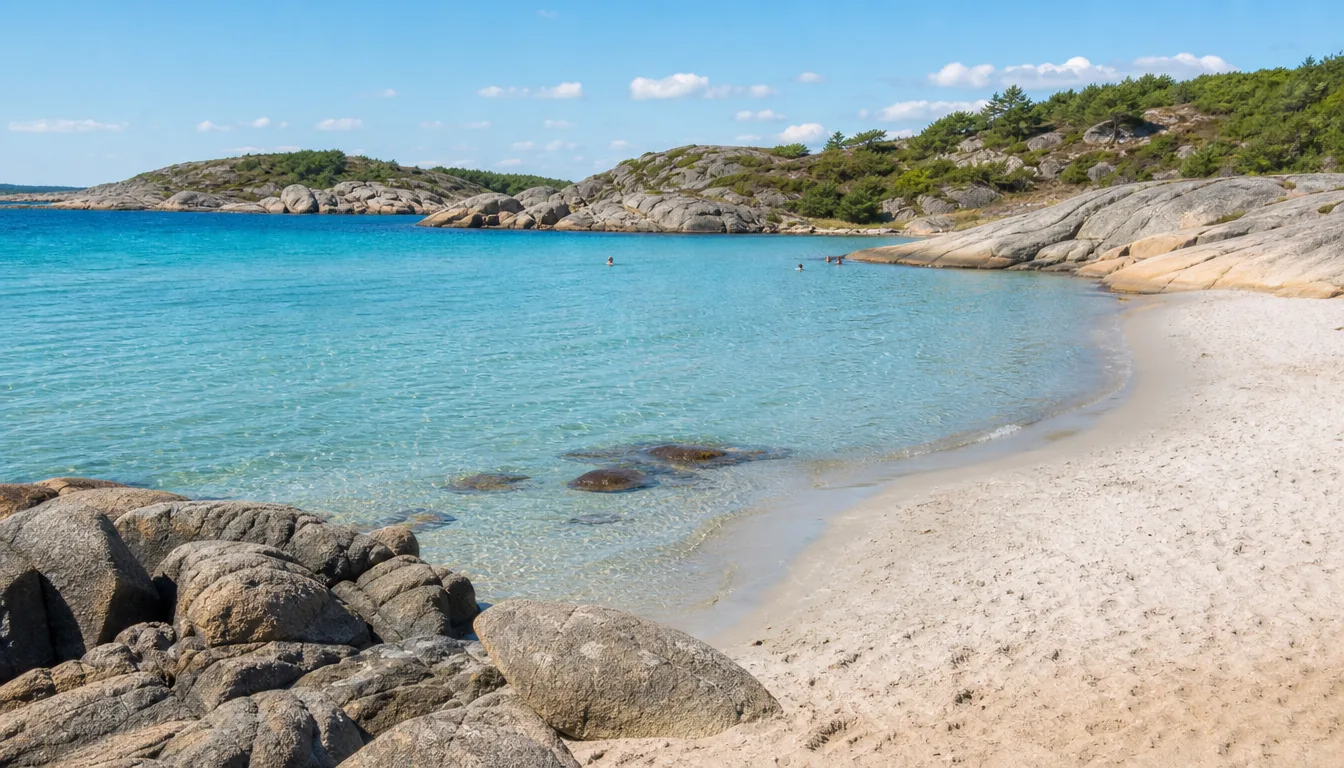
From Saltholmen, boat 283 goes to Asperö and Brännö Rödsten, and boats 281 and 282 reach Styrsö Bratten in 15 to 25 minutes. Vrångö, the southernmost island, is about an hour from the city centre door to door. One Västtrafik Zone A ticket covers the tram and the boat, so the island trip costs the same as getting around town. Ferries to the southern islands run all year, with fewer departures outside summer, so look up the return boat before you set off. Styrsö Bratten is an easy first choice: an EU bathing site with top water-quality marks and a jetty with steps lies about 300 m from the ferry, and the water is usually around 17 to 18 °C by August.
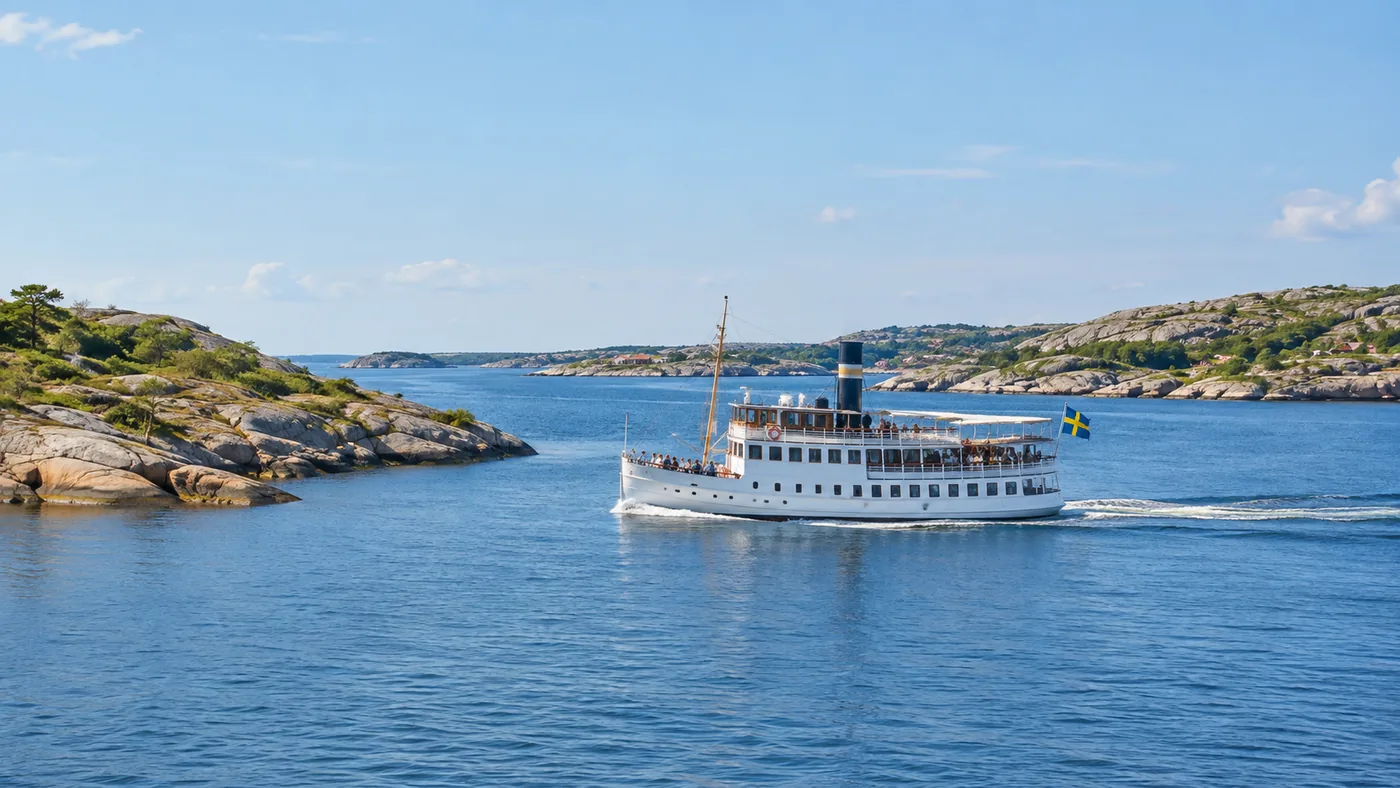
If you prefer a seat and a guide, the archipelago cruise from Lilla Bommen (4.4 from 1,510 reviews) spends 2.5 hours on the M/S S:t Erik, past Nya Älvsborg fortress and among the southern islands. It does not stop at any island, but it starts in the city centre and needs no planning. For an evening on the water, the evening sailing tour with fika (5.0 from 5 reviews) leaves Stenpiren with a small group and anchors in a quiet bay.
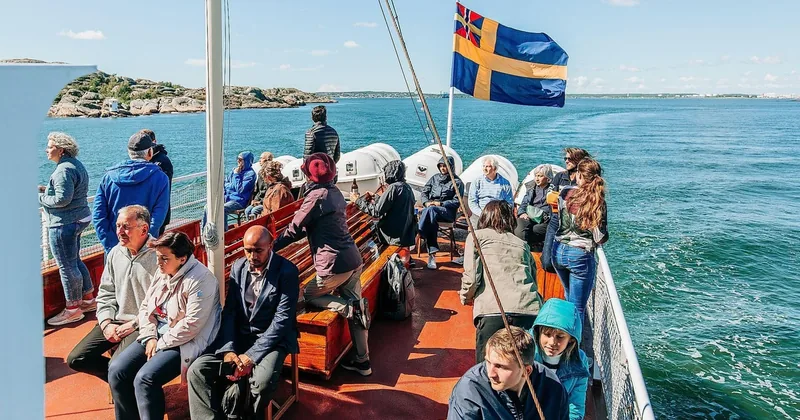
The archipelago without planning: 2.5 hours on the M/S S:t Erik from Lilla Bommen, a live guide in English and Swedish and a café on board. It stays on the water. Rated 4.4 from 1,510 reviews.
Explore the archipelago cruise with a live guideWhat is special about Gothenburg?
It is a relaxed harbour city where the sea is part of daily life: canals in the centre, seafood from the west coast and islands on the city tram ticket. It also has a strong fika culture, craft beer and Scandinavia's largest amusement park.
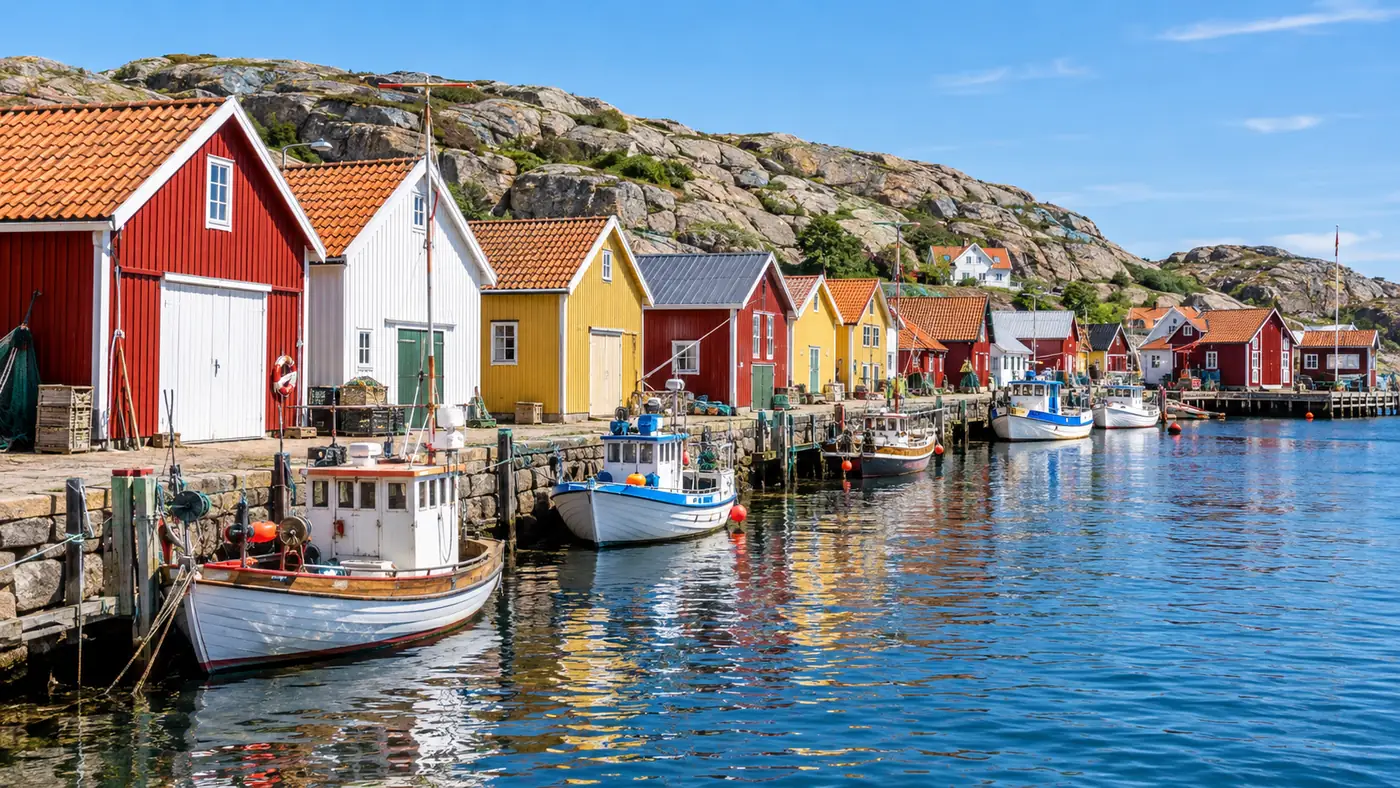
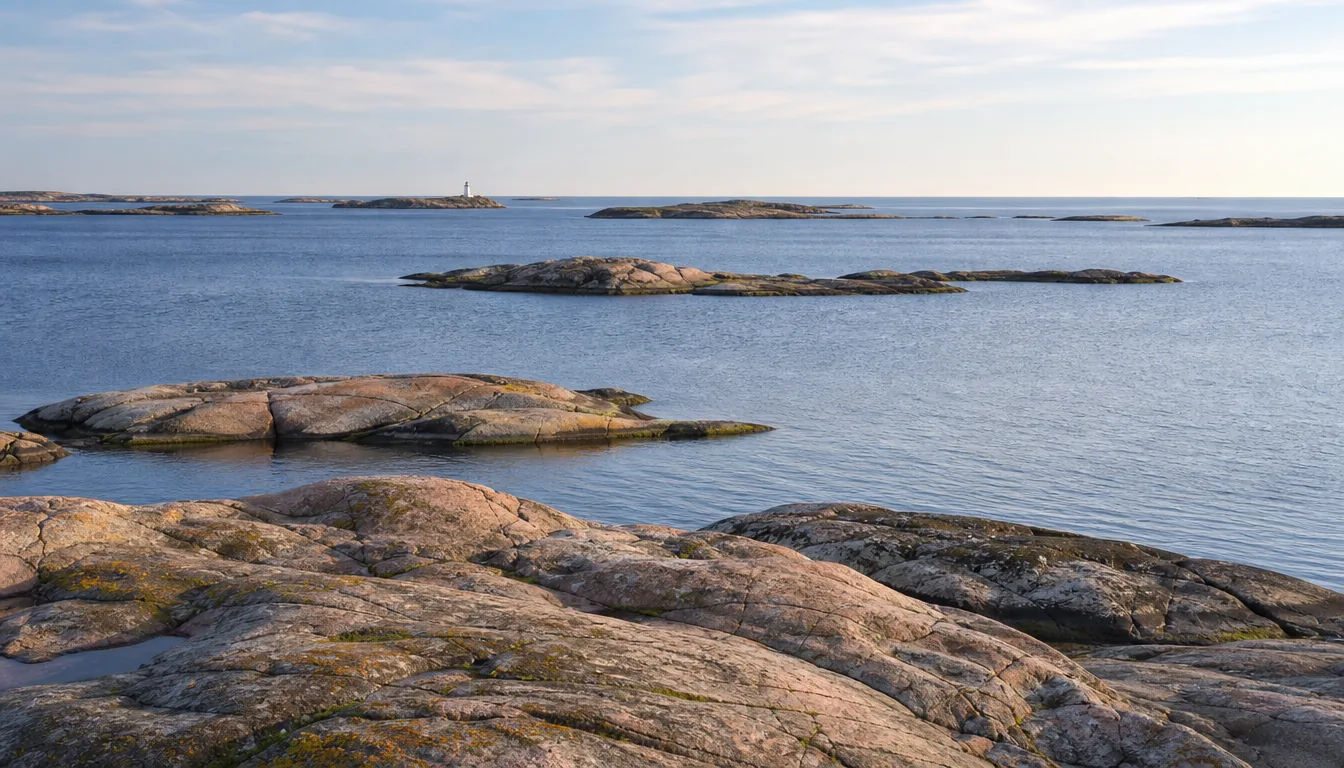
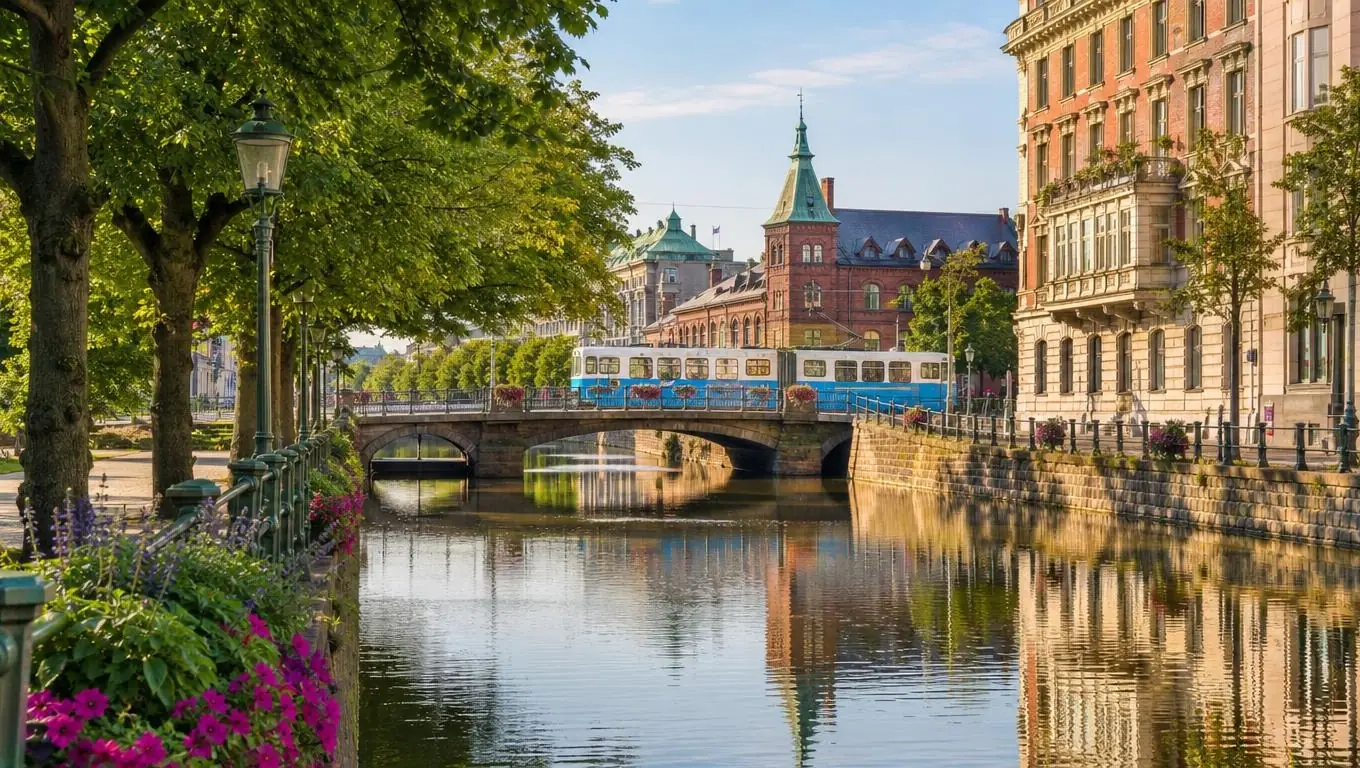
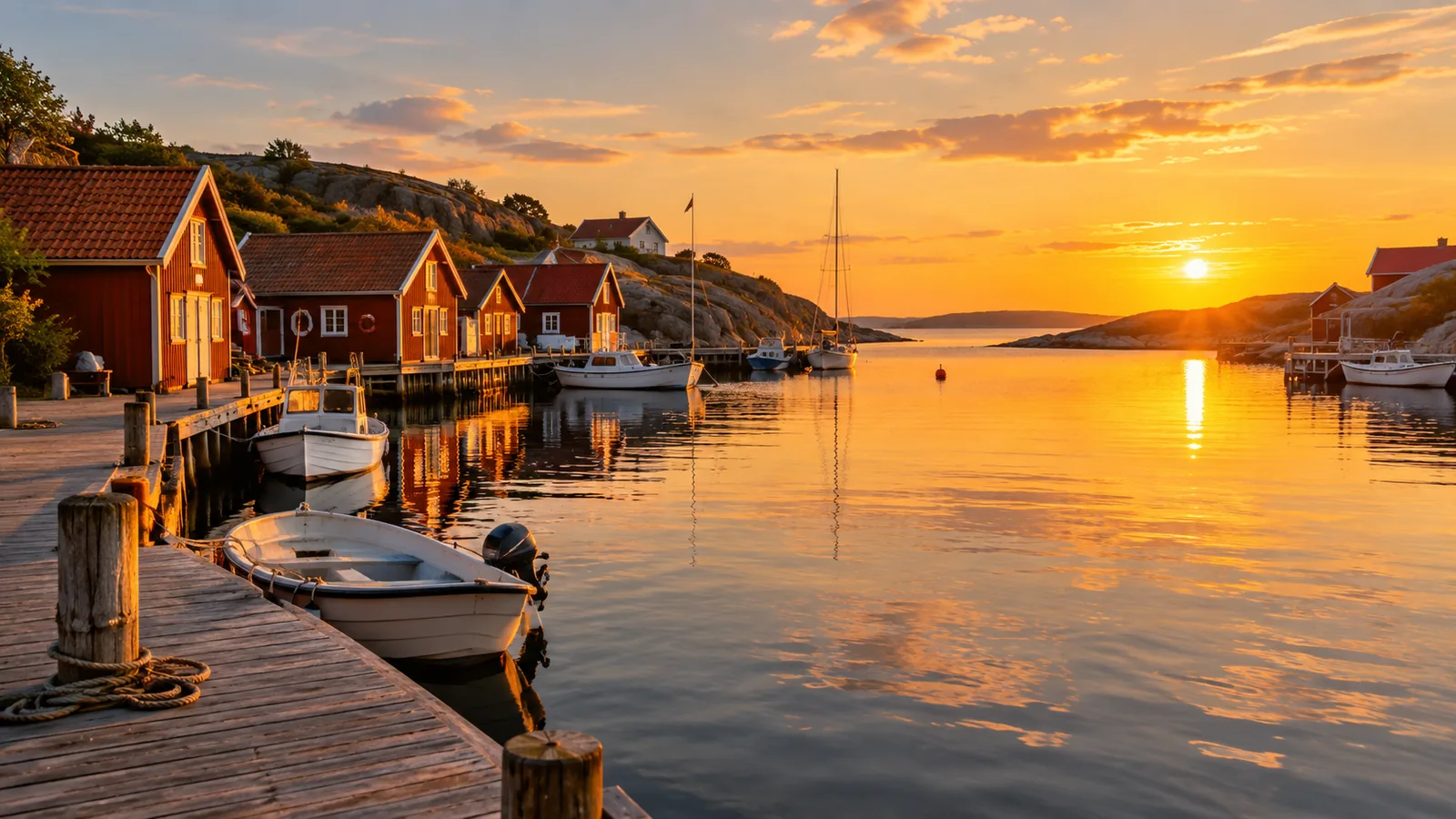
Gothenburg grew up as a trading port at the mouth of the Göta älv, and the water still shapes it. The old centre is ringed by a moat and 17th-century canals. Along the river, old shipyard areas have become new districts such as Eriksberg and Lindholmen, and Nya Älvsborg fortress still guards the river mouth. Beyond it lies the Gothenburg archipelago: over 7,600 islands in the Gothenburg region, according to the city's tourist board, with eight inhabited islands in the south where cars are not allowed.
Food is the other reason people come. Shrimp, mussels and fish from the west coast are on menus all over town, and the lobster season opens on the first Monday after 20 September. Fika, the Swedish coffee break with a cinnamon bun, is a daily ritual, and Haga is the place to try it.
What can you do in Gothenburg with only half a day?
Take a guided tour that shows you a lot in a short time: the 1-hour amphibious bus, the 50-minute Paddan canal boat or the 2-hour city kayak tour. All three start in the city centre.
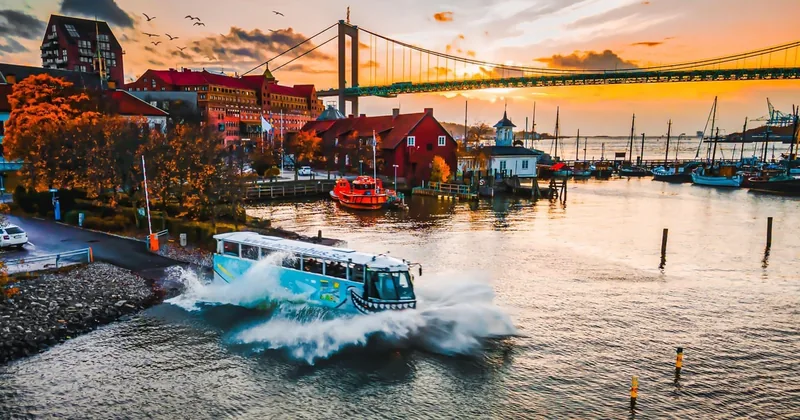
The land and water amphibious bus tour (4.7 from 4,380 reviews) leaves Stora Teatern and drives past Avenyn, Poseidon, Liseberg and Feskekôrka with a live guide, then rolls straight into the river and carries on as a boat. Reviewers love the splash and the humour of the guides, and one family brought a 4-year-old who loved it. The Paddan canal boat (4.7 from 803 reviews) is Stromma's open-top boat from Kungsportsplatsen: 50 minutes along the moat and canals under about 20 low bridges and out into the harbour. It is a city tour and does not go to the archipelago. It runs from spring to autumn, so check the season.
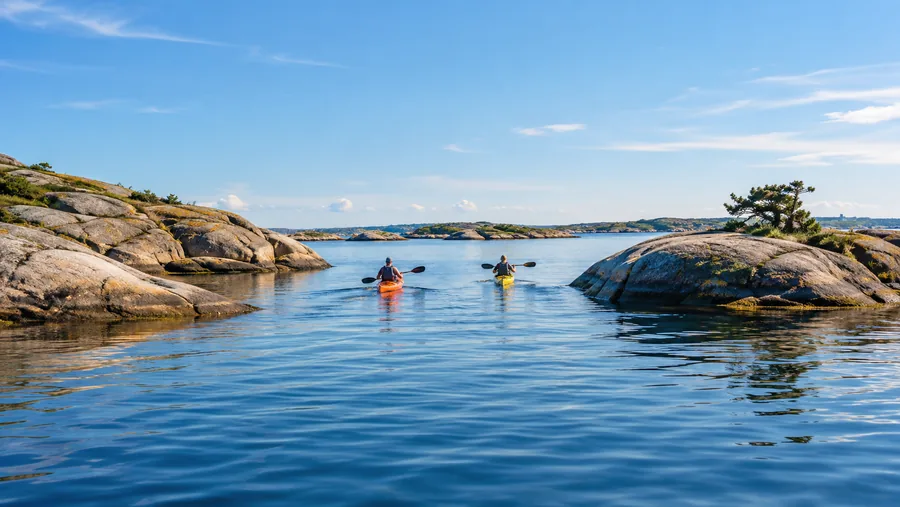
If you would rather paddle yourself, the city kayak tour of the canals (4.9 from 81 reviews) leaves Lilla Bommen with an English-speaking guide for 2 hours on the river and the canals. No experience is needed; it is for ages 14 and up and people under 100 kg, and a paddle and buoyancy aid are provided. Add a walk in Haga and a fika, and the half day is full.
One hour that covers the city: Avenyn, Poseidon, Liseberg and Feskekôrka by road, then a splash into the river.
Check dates for the amphibious bus tourHow do you get around Gothenburg in a day?
On foot in the centre, and by Västtrafik tram, bus and boat for everything else. One Zone A ticket covers all three, including the boats to the southern islands.
Buy a single or day ticket in the Västtrafik To Go app, or tap a contactless bank card on the reader on board. Trams run on most main routes, and tram 11 is the one for Saltholmen and the islands. Line 285, the river ferry from Stenpiren to Lindholmspiren, Eriksberg and Klippan, uses the same ticket and is a quick way to see the harbour from the water. Children under seven ride with a ticket-holding adult. Styr & Ställ, the city bike-share, is another option for short hops. Every boat and route is explained in the ferry guide.
What is the best location to stay in Gothenburg?
Near Avenyn or in Haga for the sights, in Eriksberg or Lindholmen for views over the water, and around Långedrag or Saltholmen for early ferries. For something different, spend a night on Styrsö or Vrångö.
- Avenyn and the event district: central, close to Liseberg, Universeum and the shops, with plenty of restaurants.
- Haga: cafés and cobbles on your doorstep and an easy walk to the canals.
- Majorna: a relaxed, bohemian neighbourhood west of the centre, with vintage shops and small bars.
- Eriksberg and Lindholmen: modern districts by the water across the river, linked to the centre by the river ferry.
- Långedrag and Saltholmen: by the sea in the south-west, close to the island boats, ideal for an early start.
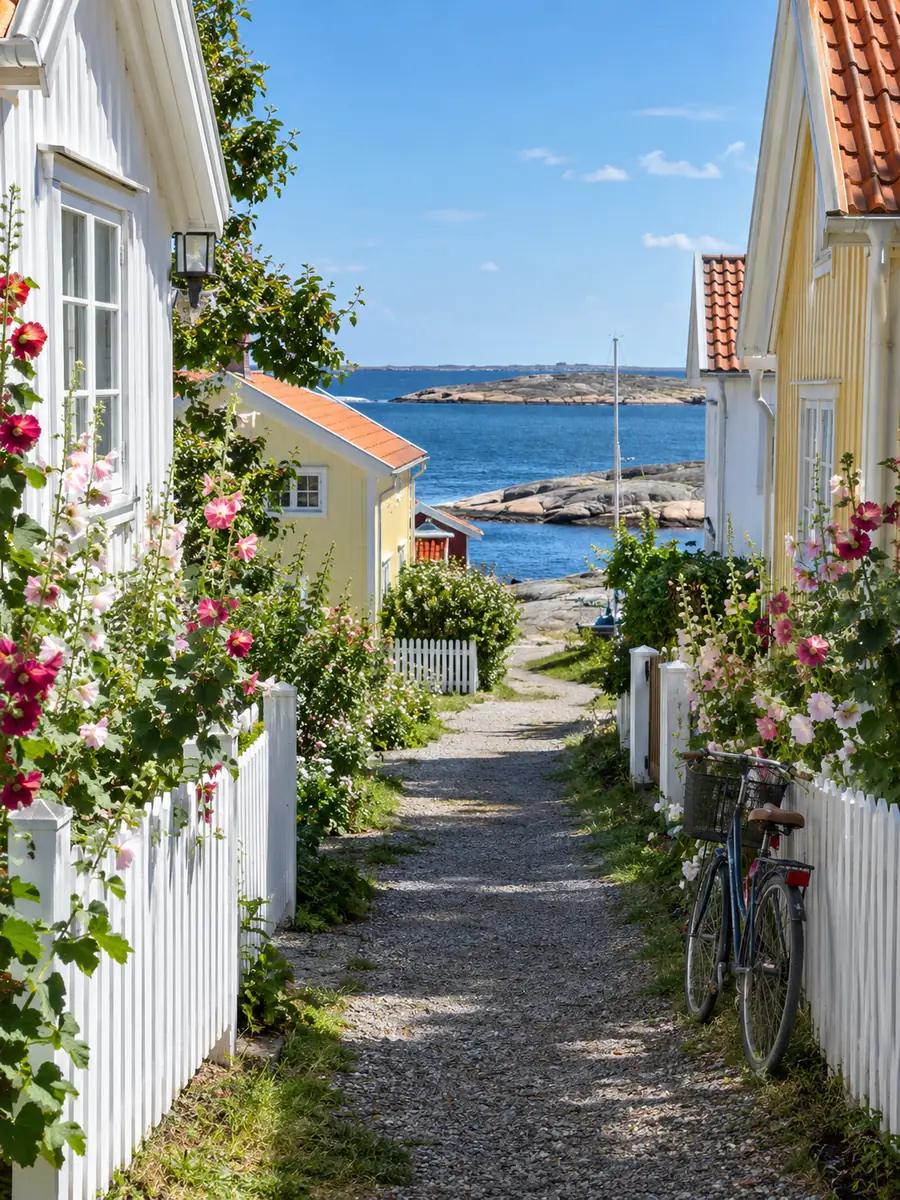
- An island night: there are places to stay on Styrsö, Vrångö, Donsö and Knarrholmen, and Brännö Värdshus on Brännö. Boats run less often outside summer, so plan your evening around the timetable.
Is Gothenburg safe for solo travellers?
Yes. Most visits pass without trouble, and solo travellers find the city easy to get around. As in any city, watch your belongings in crowds and use common sense at night.
The most common problem for visitors is pickpocketing in busy places: Central Station, the Nordstan shopping centre and crowded trams. Keep your phone and wallet in a closed pocket or bag there. At night, stay on busy, well-lit streets and use the trams or a booked taxi, as you would in any city. The islands are calm and quiet, and families use the boats and trams every day. If you ever need help, the emergency number in Sweden is 112.
Travelling alone also makes some tours more fun. The sailing tours and the city kayak tour run in small groups, which is a pleasant way to meet people, and a guided boat trip gives you company on the water without any planning. More ideas for the city are on the homepage city section.
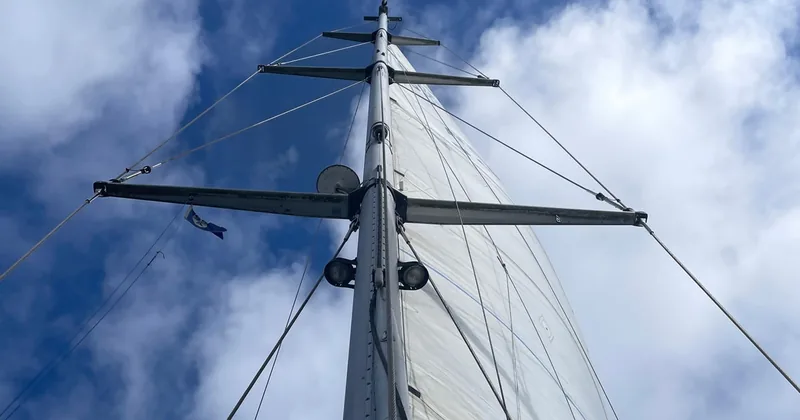
A small-group evening sail from Stenpiren with a skipper and fika, an easy way to meet people when you travel alone.
Check dates for the evening sailing tour with fikaFrequently asked questions
Is one day enough for Gothenburg?
One day is enough for the highlights and an island afternoon if you start early. With two days, give one to the city and one to the archipelago, for example Brännö or Vrångö.
Can you visit the islands in the evening?
Yes. In summer the boats to the southern islands run into the evening. Outside summer there are fewer departures, so check the last boat back in the Västtrafik planner.
Do you need a car in Gothenburg?
No. Trams, buses and the island boats cover the city and the southern archipelago, and you cannot drive onto the southern islands anyway.
Can I cancel the tours in this guide?
Yes. Every tour in this guide gives a full refund if you cancel up to 24 hours ahead.
Ready to book
Choose your day out
Check your date and the live price on GetYourGuide; the refund terms are shown on each option.
Land and Water Amphibious Bus Tour
Archipelago Cruise with a Live Guide
- 2.5 hours on the M/S S:t Erik from Lilla Bommen
- A live guide in English and Swedish
- Open sun deck, indoor saloon, restrooms
Evening Sailing Tour with Swedish Fika
- About 3.5 hours on a sailing boat from Stenpiren
- A skipper and a short safety briefing
- Help with the sails or steer, no experience needed